
Enamel vs Lacquer vs Acrylic Model Paints


Enamel vs Lacquer vs Acrylic Model Paints
Achieving a flawless finish on a scale model often hinges on selecting the right paint. The market offers a diverse range of options, but enamel, lacquer, and acrylic paints consistently stand out as popular choices. However, the “best” paint is subjective and depends on factors such as the modeler’s experience level, desired outcome, application techniques, and safety considerations. This article will provide a comprehensive comparison of enamel, lacquer, and acrylic model paints, outlining their key characteristics to empower modelers in making the most suitable selection for their specific needs.
Enamel vs. Acrylic vs. Lacquer: Quick Comparison
Quick Verdict: Acrylics are water/alcohol-based, non-toxic, and dry in minutes, making them the safest choice for indoor brush and airbrush painting. Enamels use mineral spirits, cure slowly via chemical oxidation, and provide self-leveling brush coats and removable weathering washes. Lacquers use strong cellulose solvents to chemically bite into polystyrene, providing the thinnest, most durable finish and smoothest airbrush atomization.
| Paint Type | Solvent / Thinner Base | Drying & Curing Time | Durability & Finish | Fumes & Safety | Best Use Case |
|---|---|---|---|---|---|
| Acrylic (Vallejo, Tamiya XF, AK 3Gen) | Water or Alcohol / Glycol Ether | 10–20 mins (Dries via water evaporation) | Moderate (Susceptible to heavy masking peel without primer) | Low to None (Indoor & brush safe) | Hand-brushing figures, cockpit interiors, odorless airbrushing |
| Enamel (Humbrol, Testors, Tamiya Panel Line) | Mineral Spirits / Odorless Enamel Thinner | 6 to 24 hours (Cures through oxidation) | Hard & Flexible (Resistant to alcohol and water) | Moderate (Requires adequate ventilation) | Weathering washes, pin-washes, panel lining, filter blending |
| Lacquer (Mr. Color, Tamiya LP, SMS) | Cellulose / Ketone / Ester Solvents | 5–15 mins (Fast solvent flash-off) | Maximum (Hardest shell, chemical & scratch resistant) | High (Respirator mask & spray booth mandatory) | High-gloss automotive finishes, ultra-fine camouflage mottle |
The Golden Rule of Paint Layering (Safe Stacking Order)
As a general rule in scale modeling, stronger solvents reactivate and damage weaker underlying paint layers. Always follow the stacking order from strongest to gentlest:
Frequently Asked Questions
Can I apply an enamel wash over acrylic paint?
Yes, this is standard modeling practice. Enamel thinners (mineral spirits / white spirit) will not dissolve a fully cured acrylic paint layer, allowing you to wipe away excess wash without damaging the base coat.
Can you spray lacquer paint over enamel or acrylic?
No, not heavily. Lacquer thinners contain aggressive solvents (acetone, butyl acetate) that will reactivate, wrinkle, and craze underlying enamel or acrylic layers. If necessary, apply lacquer only in mist coats over cured acrylics.
Which model paint is best for beginners?
Water-based acrylics (such as Vallejo Model Color or Revell Aqua Color) are best for beginners because they clean up with water, produce no toxic fumes, and allow easy hand-brushing on miniature details.
What are model paints?
Types of model paints: Enamel, lacquer, acrylic
Paints consist of two basic components: pigments and binders.
Pigments are substances that impart color, solidity, and texture to paint and are classified as natural or synthetic.
Binders, on the other hand, provide adhesion, bind pigments, and give shine, hardness/flexibility/resistance. They contain synthetic or natural resin. (For example alkyd, acrylic, vinyl acrylic, vinyl acetate/ethylene, polyurethane, polyester, epoxy, or oil).
Binders are categorized according to their drying or curing mechanism. The most common categories are simple solvent evaporation, oxidation crosslinking, catalyzed/crosslinked polymerization, and fusion. Drying and curing are two different processes. Drying refers to the evaporation of the solvent or thinner while curing refers to the polymerization of the binder. It happens differently from paint to paint. In some paints, both drying and curing take place, while in some paints, first drying and then curing (healing) takes place, in others, only drying takes place.
Paints that dry by simple solvent evaporation and contain solid binders insolvent (solvent) are known as lacquers. (The word laker comes from the Portuguese name for the resin obtained from some insects.) When the solvent in laker paints evaporates, a solid layer remains. Since this layer can be dissolved again with the solvent, each lacquer can dissolve the one below it.
When paints that are cured by oxidation crosslinking are applied, the oxygen in the air initiates a process, enabling the cross-linking and polymerization of the binding components (Alkyd enamels fall into this category). Since these paints typically use petroleum-based solvents, they are called oil-based (oil-based/oil paint is also used in English for oil-petroleum).
In acrylic binders, the situation is as follows, when the liquid containing the acrylic binders (solvent and carrier) evaporates, the acrylic polymers are cured by fusing. These liquids are advantageous due to their water-based, non-toxic, and relatively less harmful nature. Acrylic binders can be used in all paint types (for this reason, acrylic lacquer and acrylic enamel type paints can be seen).
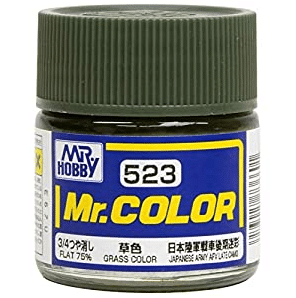
If we evaluate the “Gunze Mr.Color” paints in line with this information. These paints are chemically solvent-based acrylic paints. That is Acrylic Laker. Mr. Aqeuoous Hobby Color, on the other hand, is a water-based acrylic paint that uses water as a carrier.
Can “Mr.Color Leveling Thinner“, a lacquer paint thinner, be used to thin Mr.Aqeuoous Hobby Color? The binder of both paints is in acrylic polymer, so if used in a reasonable amount, yes it can be used. In fact, its use is recommended in various forums because polymers can dissolve in this thinner, disperse more homogeneously, and increase smoothness.

Enamel Paints:
+ Beautiful Metallic Appearance
+ Painting with a brush
o Harmful to health
– Late drying

Lacquer Paint:
+ Fast drying
+ Beautiful Shiny appearance
+ Airbrush compatibility
+ Strength
– Unhealthy
– Painting with a brush
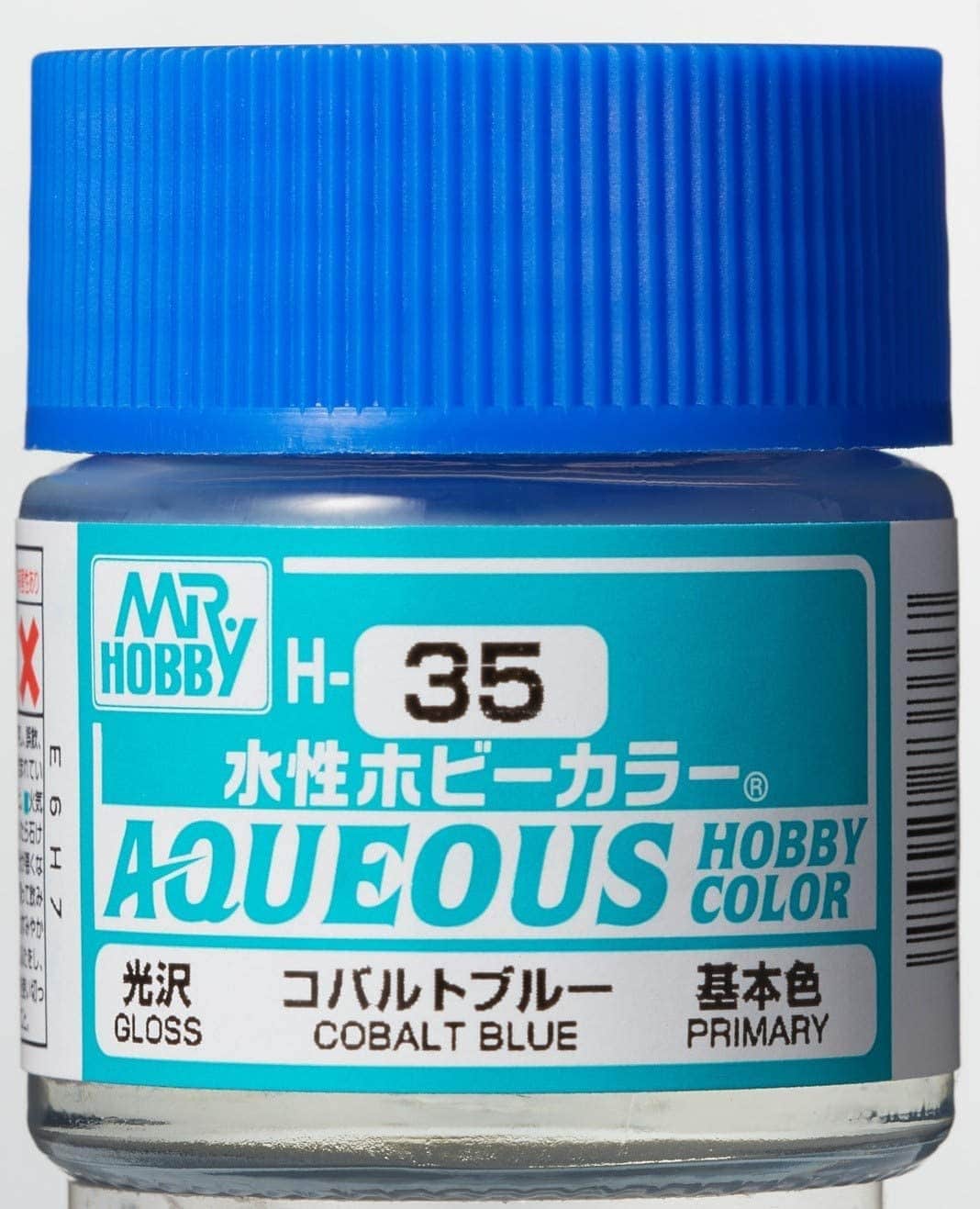
Acrylic Paints (For water-based):
+ Beautiful Matte Appearance
+ Can be thinned with water
– Late Drying
– Fingerprints and scratches can easily occur due to the softness of the paint.
Bottom Layer/Top Layer Compatibility
When applying a different paint to the paint layer, the main thing to consider is whether the solvent used in the upper layer will dissolve the binder in the lower layer. The table below shows the behavior in general, with the exception of paint-to-dye.
| Top Layer | ||||
| Enamel | Acrylic | Lacquer | ||
|
Sublayer
|
Enamel | OK | OK | X |
| Acrylic | ? | OK | X | |
| Lacquer | OK | OK | OK | |
Paint is all about chemical components. There are specific pigments and binders used by each paint brand. For this reason, when using paints, thinning/mixing should be done according to their contents.
A binder is a substance that helps to hold together the pigment particles in a powder. This is important because it helps to prevent the pigments from separating and ensures that they apply to the surface. Without a binder, the pigment powder would be difficult to work with and would not produce consistent results. There are many different types of binders that can be used, depending on the specific needs of the powder.
Binders are the key ingredient in paint that allows it to stick to surfaces and provide a smooth, even finish. Without a binder, the paint would flake off or rub away. Binders also help to hold the pigment and other fillers in suspension so that they can be distributed when the paint is applied. There are different types of binders that can be used in paint, depending on the desired final result.
